
Golden Rice
The crop designed to save lives--and why it became so controversial

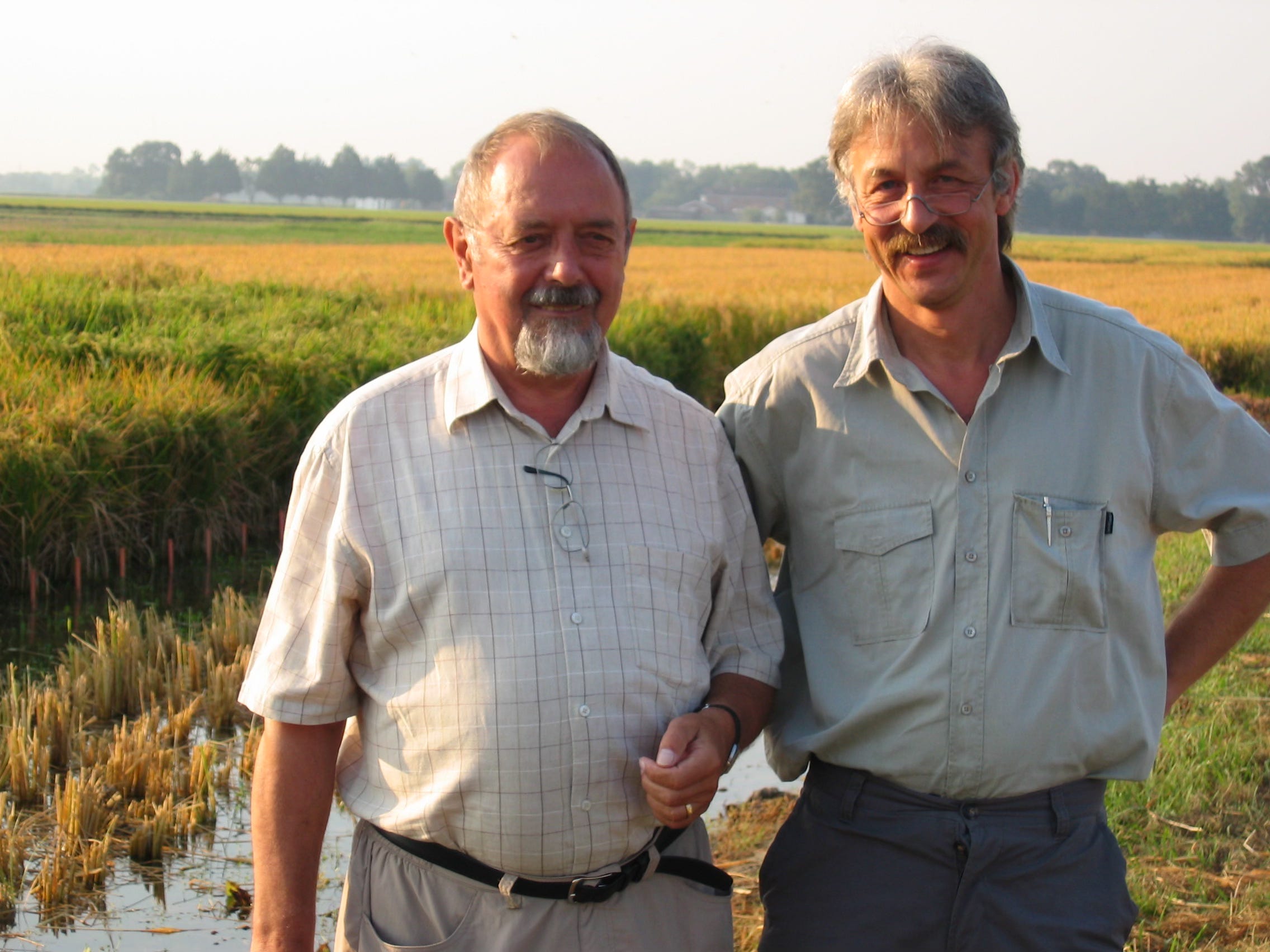
In the late 1990s, two plant scientists, Ingo Potrykus and Peter Beyer, set out to solve a specific public health problem: vitamin A deficiency. At the time, an estimated 250 million children worldwide were deficient in vitamin A, a condition that weakens immune systems and causes blindness. Each year, hundreds of thousands of children lost their sight, and many later died from preventable infections. The scientists’ goal was simple in concept but ambitious in execution—engineer a staple food that could deliver vitamin A to populations that needed it most.
The result was Golden Rice.
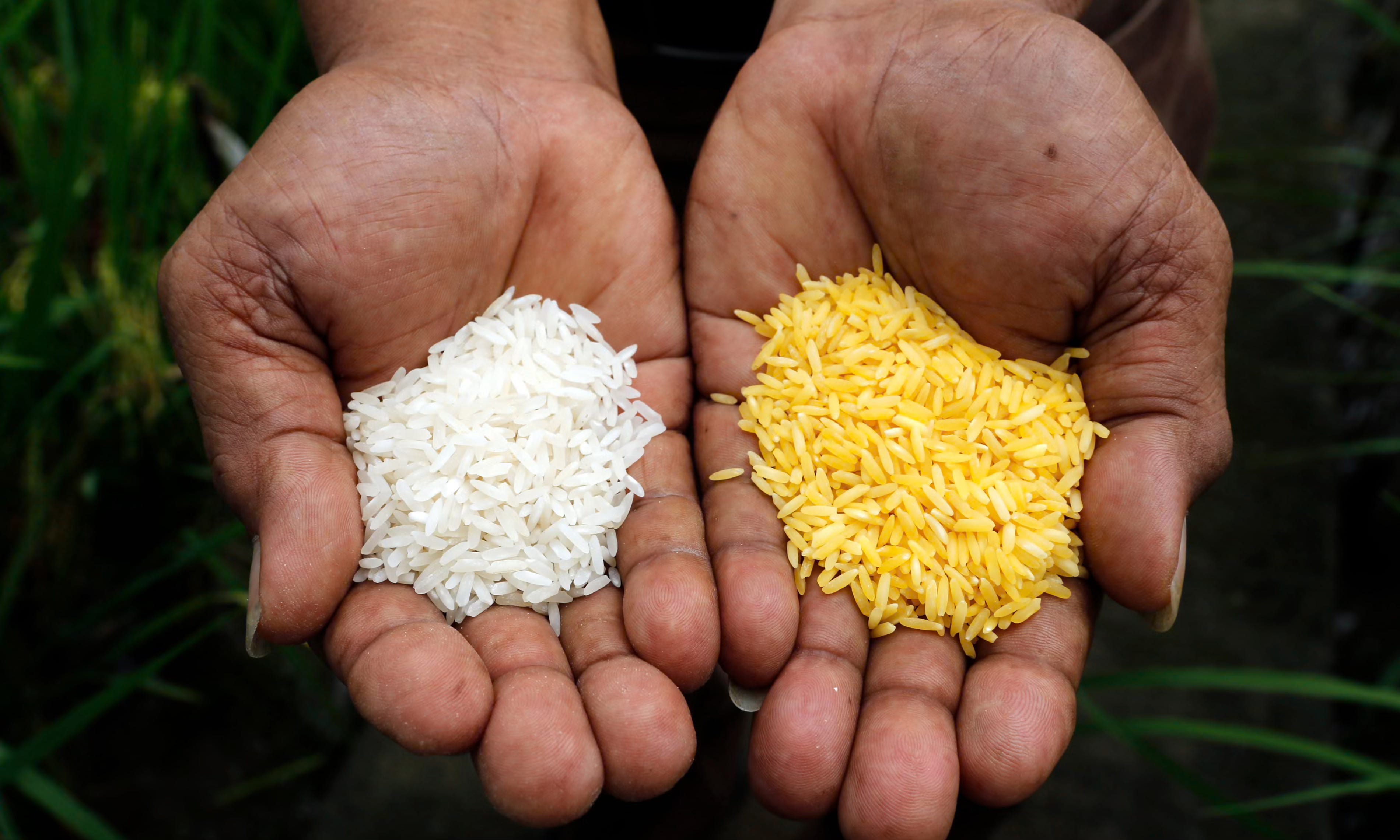
Golden Rice is genetically modified to produce beta-carotene, the precursor to vitamin A, in the edible part of the rice grain. Ordinary white rice contains none. Because rice is a daily dietary staple for billions of people in Asia and parts of Africa, the idea was to embed nutrition directly into an existing food system rather than rely on supplements or fortification programs that require sustained infrastructure.
The science behind Golden Rice is well established. Beta-carotene is converted into vitamin A in the human body, and studies have shown that Golden Rice provides a bioavailable source of this nutrient. Research published in the American Journal of Clinical Nutrition demonstrated that the beta-carotene in Golden Rice is efficiently absorbed and converted, comparable to that from vegetables. For children with limited dietary diversity, this matters.
Golden Rice was also developed with humanitarian intent. Potrykus and Beyer made the technology available royalty-free for farmers earning below a certain income threshold. Seeds were designed to be replanted, not locked behind annual purchasing contracts. Unlike many commercial genetically modified crops, Golden Rice was not created to increase profit margins or pesticide sales but to address malnutrition.
Yet despite these aims, Golden Rice became one of the most contested agricultural innovations in modern history.
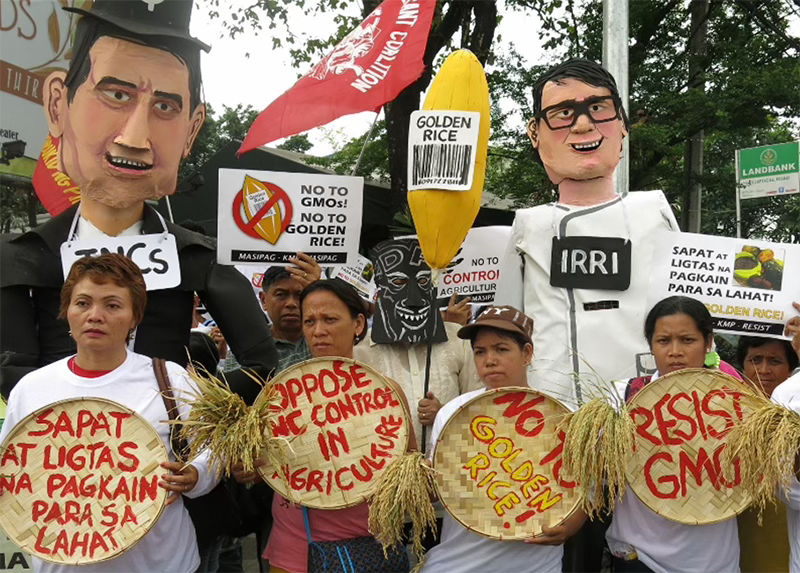
Opposition emerged largely from environmental and anti-GMO advocacy groups, who raised concerns about ecological risk, corporate control of food systems, and unintended health consequences. Some critics argued that vitamin A deficiency should be addressed through dietary diversification rather than biotechnology. Others feared that Golden Rice would normalize genetic modification in regions where regulatory systems were still developing.
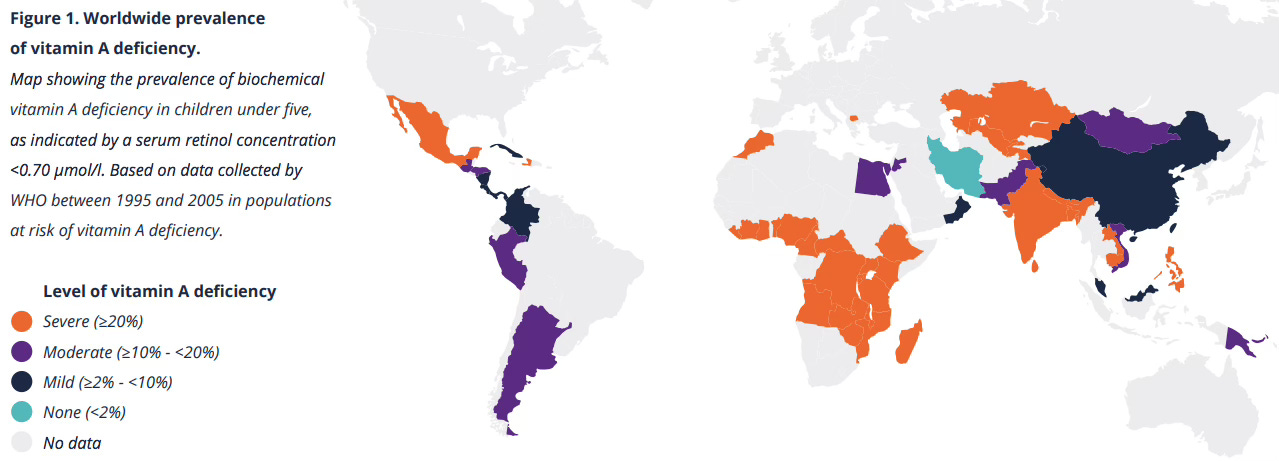
As a result, deployment was delayed for decades. While Golden Rice was first developed in 1999, regulatory approval in countries like the Philippines did not occur until the 2020s. During that time, vitamin A deficiency persisted. According to the World Health Organization, it remains a leading cause of preventable childhood blindness.
This is where the controversy sharpens: multiple scientific bodies—including the National Academies of Sciences, the World Health Organization, and the American Medical Association—have concluded that approved genetically modified foods are as safe as their conventional counterparts. No credible evidence has shown Golden Rice to pose unique health or environmental risks. The scientific consensus has been unusually strong.
Still, the debate has never been purely scientific.
Golden Rice sits at the intersection of food ethics, colonial history, corporate mistrust, and environmental activism. Critics worry about technological fixes distracting from systemic poverty. Supporters counter that refusing a proven intervention while waiting for ideal solutions imposes real human costs. The disagreement reflects deeper questions about who decides what solutions are acceptable—and for whom.
Golden Rice was never meant to be the sole answer to malnutrition. It was designed as a complementary tool, alongside education, supplementation, and agricultural diversity. Public health rarely succeeds through single interventions; it advances through layered ones.
The Golden Rice debate reveals how moral certainty can sometimes overshadow measurable harm reduction. Caution is necessary in science. So is humility. But when fear delays tools that could reduce suffering—especially among children—the burden of proof should shift from imagined risks to documented benefits.
Golden Rice is not a miracle crop. It will not end poverty or fix broken food systems. But it represents something important: an attempt to use science not to dominate nature, but to meet human need where it exists. The controversy surrounding it reminds us that good intentions alone do not guarantee acceptance—and that the hardest questions in science are often not about what we can do, but what we are willing to allow in service of human well-being.